
Have you ever had a spirited debate and it dawns on you, they don’t know? You have this realization and you engage for another 15 minutes to an hour trying to help them understand or guide them to the realization they are talking out the side of their mouth. The likely outcome 9 out of 10 times is you walk away feeling like what a waste of time and they never cop to not knowing. How often have you been the person on the other side who didn’t know? Be honest. Admitting unfamiliarity with a topic or issue is often seen as a weakness that needs to be concealed. However, embracing the phrase “I don’t know” can lead to improved business outcomes. As a corporate queenie who often says “I don’t know” let’s talk about how corporate culture has made it challenging to acknowledge not knowing, and why embracing the power of “I don’t know” can have significant benefits.
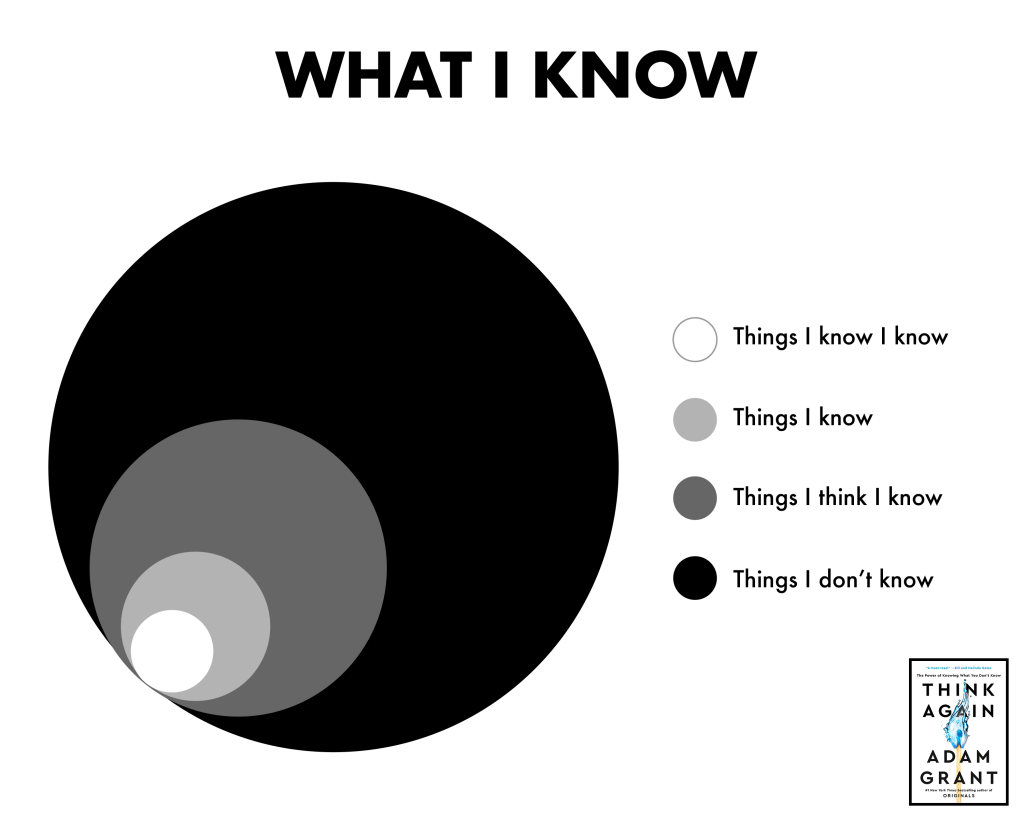
The Language Politics Surrounding “I Don’t Know”
One of the primary reasons why professionals avoid saying “I don’t know” is the fear of being judged negatively by colleagues or superiors. Corporate culture often promotes an image of expertise and unwavering confidence. Individuals may worry that admitting unfamiliarity will make them appear incompetent or unprepared for their role.
I stumbled across a LinkedIn post the other day about how to say I don’t know in corporate.
- Let me check on that
- I’ll get back to you on that one
- I’ll find out and let you know
- Let me find out for you
- I’ll double-check and let you know
- That’s a really good question, I’ll check
- That’s an excellent question, I’ll find out
- I haven’t looked at that yet
- That requires a bit more research first
The problem is none of those statements say “I don’t know.” These phrases can reduce productivity in the workplace. When someone responds with “Let me check on that” or “I’ll get back to you on that one,” it often means that the person is putting off finding an answer or taking action. This delay can lead to a slow response time and cause projects or tasks to be held up. “I’ll double-check and let you know” is another phrase that suggests the initial information or decision might have been inaccurate, leading to a waste of time.
The Team Impacts of failing to admit “I Don’t Know”
In a team or collaborative project setting, the reluctance to admit uncertainty, that we don’t know or that we can’t can lead to a domino effect of productivity challenges. Some people default to providing misinformation rather than admit they do not know.
“those who can’t . . . don’t know they can’t. According to what’s now known as the Dunning-Kruger effect, it’s when we lack competence that we’re most likely to be brimming with overconfidence.”
― Adam M. Grant, Think Again: The Power of Knowing What You Don’t Know
Consider a scenario where a team member, anxious about appearing uninformed, provides inaccurate information about a critical aspect of the project. This misinformation, if not promptly identified and rectified, can lead the entire team down the wrong path. Colleagues may unknowingly base their work on faulty data or decisions, resulting in wasted time and effort. As the project progresses, the team may encounter setbacks, require revisions, or even face the need to start certain aspects anew. This not only consumes additional resources but also disrupts the workflow and compromises the overall quality of the project.
In contrast, a culture that encourages open communication about uncertainties allows for quick identification and correction of errors, fostering a more efficient and collaborative work environment. Team members can openly discuss challenges, share knowledge, and collectively find solutions, ultimately contributing to better project outcomes and increased productivity. Acknowledging “I don’t know” can lead to personal growth and learning. It points to a clear gap. When individuals accept their limitations and seek understanding, they become open to new ideas and opportunities for development. Embracing curiosity and a willingness to learn can drive innovation and encourage continuous improvement.
When Leaders struggle to admit “I Don’t Know”
The inability to admit you don’t know in the managerial context produces even more challenges. In a managerial context, the repercussions of leaders avoiding acknowledgment of their knowledge gaps can be particularly detrimental to both the team and the organization as a whole. When a leader hesitates to admit uncertainty, there’s a risk of making decisions based on incomplete or inaccurate information with no checks or balances. Resources, such as time and budget, might be allocated inefficiently due to misguided judgments. Projects may encounter unexpected challenges that weren’t adequately anticipated, resulting in delays and increased costs. The overall strategic direction of the team or organization could be skewed, hindering progress toward long-term goals.
The impact on team morale is also noteworthy. If a leader consistently sets unrealistic expectations based on flawed information, or to protect their ass, the team may face constant challenges and setbacks. This can create frustration, demotivation, and a sense of disillusionment among team members. Over time, this can contribute to a toxic work environment, potentially leading to high turnover rates and difficulties in attracting and retaining top talent. Furthermore, the unwillingness of a leader to admit not knowing something may lead to missed opportunities. Opportunities for innovation, growth, or partnerships may be overlooked because the leader is operating with an incomplete understanding of the market or industry trends.
In contrast, a leader who openly acknowledges gaps in their understanding fosters a culture of ownership, honesty, and transparency. This encourages team members to share their uncertainties and collaborate on finding solutions. It makes space for a leader’s team members to step up and show expertise. It also allows for more informed decision-making, resource allocation, and strategic planning, ultimately contributing to higher team morale, increased efficiency, and better organizational outcomes.
Final Thoughts
Although corporate culture often makes it challenging to admit not knowing, acknowledging the power of “I don’t know” can bring about numerous benefits. Creating an environment that fosters learning, encourages collaboration, and stimulates innovation can improve business outcomes and organizational growth. Embracing the phrase “I don’t know” is not a sign of weakness but rather a demonstration of authenticity and a gateway to continuous knowledge acquisition. So, let’s not let the fear of not knowing hold us back; instead, let’s unlock the potential of “I don’t know” and drive success in our corporate journey.
- “I don’t know the answer at the moment. I’ll research and provide you with the necessary information as soon as possible.”
- “I don’t know offhand. I will find the answer and keep you updated on my progress.”
- “I don’t know, but I’m eager to learn more about this topic and would love to support that initiative in the future.”
- “I don’t know about that specific detail, but I’ll be sure to reach out to the relevant experts and gather the required information for you.”
- “I don’t have the information currently, but I’ll make it a priority to consult the appropriate resources and provide you with a comprehensive response shortly.”
 Classroom to Corporate