
Teaching is a noble profession that is incredibly rewarding but can also be challenging and stressful. Educators are responsible for the education and well-being of their students, which can take a toll on their mental and physical health. It’s important for teachers to prioritize self-care and take steps to manage their stress, maintain work-life balance, and practice self-care.
We will explore tips and strategies for prioritizing self-care as a teacher. We’ll discuss the benefits of self-care, provide examples of self-care practices, and offer practical advice for managing stress and maintaining work-life balance.
The Importance of Self-Care for Teachers
Self-care is essential for maintaining our physical, mental, and emotional health. It involves taking deliberate actions to improve our well-being, such as getting enough sleep, eating a healthy diet, exercising regularly, and engaging in activities that bring us joy and relaxation.
For teachers, self-care is particularly important because they are often under a great deal of stress. Educators face various challenges, such as managing classroom behavior, developing lesson plans, grading assignments, and meeting the needs of individual students. Teachers must also navigate administrative tasks, such as attending meetings and completing paperwork. These responsibilities can add up and lead to burnout, which can have serious consequences for teachers and students.
Prioritizing self-care can help teachers to manage stress, prevent burnout, and improve their overall well-being. When teachers take care of themselves, they can better meet their students’ needs and create a positive learning environment.

Self-Care Practices for Teachers
Self-care can take many forms, and it’s important for each teacher to find practices that work best for them. Here are some examples of self-care practices that teachers can try:
- Mindfulness Meditation: Mindfulness meditation is a powerful tool for reducing stress and increasing feelings of calm and relaxation. This practice involves focusing on the present moment and becoming aware of your thoughts, feelings, and sensations without judgment. While sitting in the car before students arrive, download a medication app instead of scrolling on your phone. Many guided mindfulness meditations are available online, and teachers can incorporate this practice into their daily routine by setting aside a few minutes each day to meditate.
- Exercise: Exercise is another effective way to manage stress and improve overall health. Regular exercise can help to reduce anxiety and depression, increase energy levels, and improve sleep quality. Teachers can incorporate exercise into their daily routine by walking the track during their lunch break, attending a yoga class after school, or taking up a sport or hobby involving physical activity.
- Hobbies: Engaging in hobbies and activities outside of work can be a great way to reduce stress and improve overall well-being. Hobbies can range from creative pursuits such as painting or writing to outdoor activities such as hiking or gardening. Teachers can prioritize their hobbies by scheduling a regular time to engage in these activities. Reality TV counts as a hobby.
- Self-Reflection: Taking time for self-reflection can help teachers to gain insight into their thoughts, feelings, and behaviors. This practice involves setting aside time to reflect on your experiences, thoughts, and emotions and considering how to make positive changes in your life. Teachers can incorporate self-reflection into their daily routine by journaling, practicing gratitude, or engaging in other mindfulness practices.
- Social Connection: Maintaining social connections is an essential aspect of self-care. Teachers can benefit from building relationships with colleagues, friends, and family. They can schedule regular coffee or lunch dates with colleagues, attend social events, or join clubs or organizations that align with their interests.
Practical Advice for Managing Stress and Maintaining Work-Life Balance
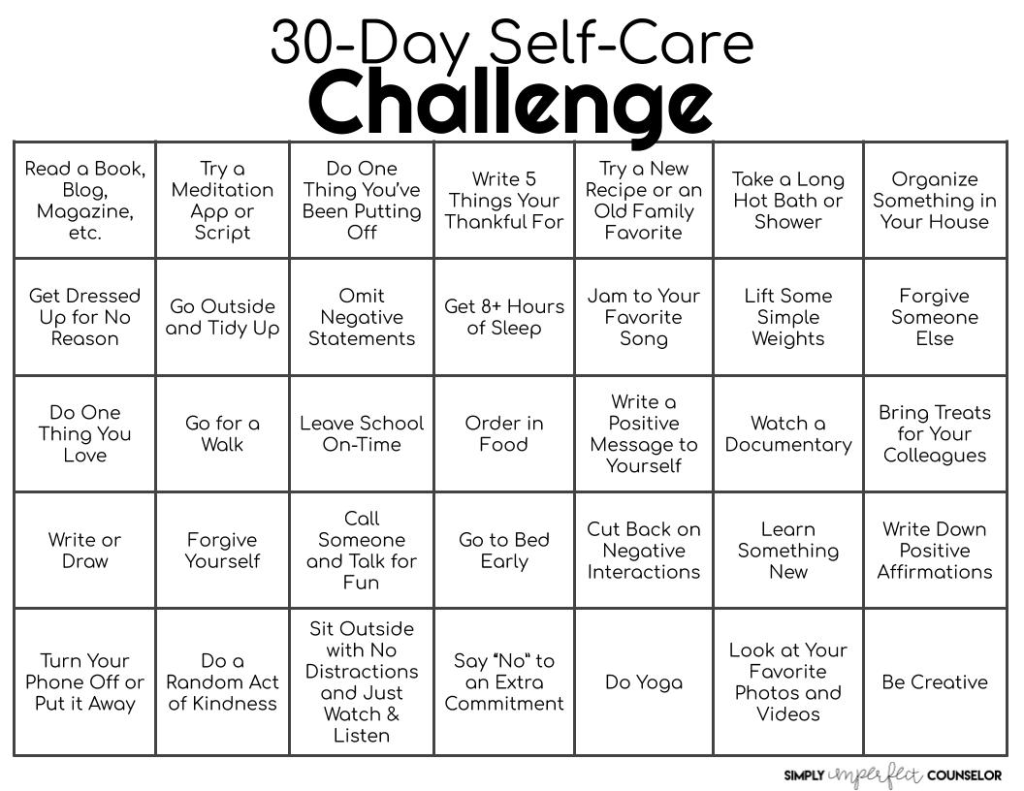
In addition to self-care practices, teachers can use several practical strategies to manage stress and maintain work-life balance. Here are some tips:
- Set Realistic Goals: Teachers should set realistic goals and prioritize their tasks. They should create a daily to-do list and focus on completing the most critical tasks. Teachers should also be realistic about what they can accomplish in a given day or week and avoid overloading themselves with too many responsibilities. Set all those tasks in the constraints of the school day.
- Practice Time Management: Effective time management is essential for managing stress and maintaining work-life balance. Teachers should prioritize tasks, delegate responsibilities when possible, and avoid multitasking. They should also schedule regular breaks throughout the day to recharge and refocus. It’s not cheating to build them into your lesson plans; the students need it too.
- Seek Support: Teachers should seek support from colleagues, administrators, and mental health professionals when needed. When was the last time you used your EAP benefits? It’s important to recognize when stress and burnout are becoming unmanageable and to seek help before it becomes a serious problem.
- Take Care of Physical Health: Physical health is essential for managing stress and maintaining well-being. Teachers should make sure to get enough sleep, eat a healthy diet, and engage in regular exercise. They should also take breaks throughout the day to stretch and move around.
- Practice Self-Compassion: Self-compassion involves treating oneself with kindness and understanding rather than judgment and criticism. Teachers should practice self-compassion by acknowledging their strengths and limitations, setting realistic expectations, and forgiving their mistakes.
Self-care is essential for teachers who want to manage stress, prevent burnout, and maintain work-life balance. Prioritizing self-care involves engaging in practices that promote physical, mental, and emotional well-being and implementing practical strategies for managing stress and maintaining balance. By prioritizing self-care, teachers can improve their students’ well-being and create a positive learning environment.
 Classroom to Corporate