
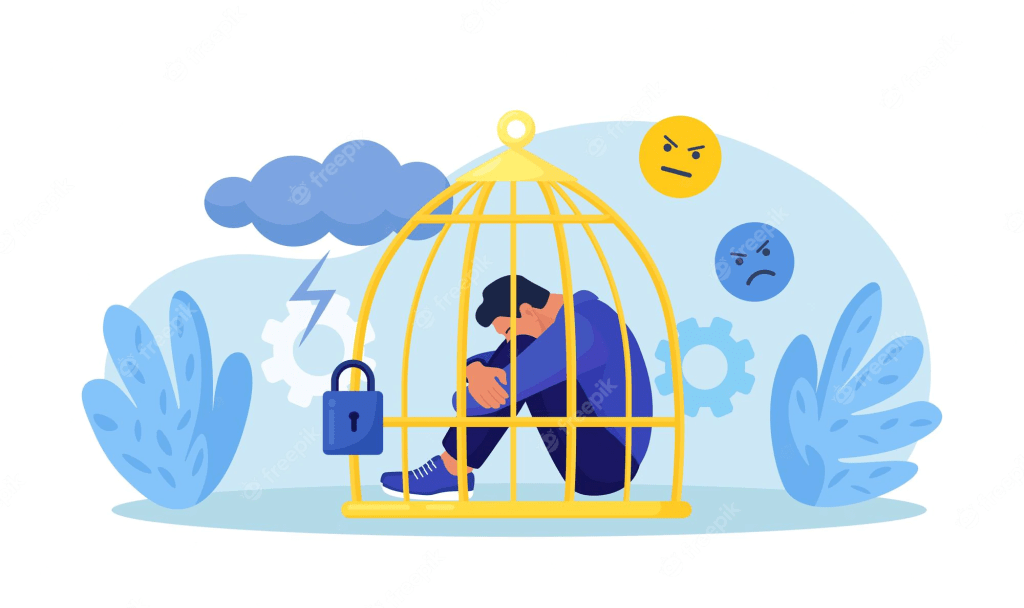
As the sun rises on yet another day of lesson plans and grading papers, teachers across the country are gearing up for another round of underpaid and overworked labor. It’s a story we’ve heard time and time again, but one that is often met with little more than a shrug from those in power and a curiosity to those from other countries. But here in America, who cares about the plight of teachers when they have summers off, right?
But what many fail to understand is the insidious nature of the societal pressure and organizational culture that keeps teachers trapped in a system that devalues their work and their worth. It’s a subtle, yet powerful force that keeps them in their place, afraid to speak up or demand better for themselves and their students.
It starts with the constant barrage of messages from politicians, the media, and even well-meaning family members who extol the virtues of teaching as a noble profession, a calling, a vocation. They tell us that teaching is a selfless act, one that requires sacrifice and dedication above all else. And while these sentiments are certainly true to some extent, they also serve to perpetuate a culture of shame and guilt for those who might dare to speak out about their working conditions or demand better pay.
Teachers are told that they should be grateful for what they have, that they are lucky to have a job in a tough economy. They are reminded of the old adage, “those who can, do; those who can’t, teach.” And they are made to feel as though their work is somehow less valuable than that of their professional peers who work in other fields.
Meanwhile, teachers are forced to navigate a labyrinthine system of bureaucracy and red tape, one that often leaves them feeling powerless and demoralized. They are expected to do more with less, to juggle ever-increasing demands on their time and resources, and to keep a smile on their face while they do it.
And yet, despite all of this, teachers soldier on. They show up to work every day, they inspire and educate their students, and they do their best to make a difference in the world. They do it because they love what they do, because they believe in the power of education, and because they know that their work is important, even if others don’t always see it that way.
But we can’t keep relying on the selfless dedication of teachers to keep our education system afloat. We need to start valuing their work, respecting their time and expertise, and compensating them fairly for the vital role they play in shaping the future of our society. We need to break down the societal pressure and organizational culture that keeps teachers trapped in a cycle of shame and guilt, and we need to start treating them like the professionals they are.
Because the truth is, we all benefit when teachers are given the respect and support they deserve. Our children get a better education, our communities are stronger, and our society as a whole becomes a more just and equitable place. It’s time to start recognizing the value of teachers, and to start treating them accordingly.
 Classroom to Corporate