

Looking back on my time in education and researching careers I began to build connections between what I had done and how to connect with future careers. Advocating for Gizmos became wrote a proposal to my principal for virtual lab simulation software, coordinated procurement, developed training and managed the change process across the department. Planning Family night became researched best practices, conducted a needs analysis and design thinking sessions to revamp Family Night, and collected and analyzed feedback to determine value. Below are the business careers I found most aligned to my work as a teacher. Careers that would be lucky to have a former educator.
EdTech

EdTech, or educational technology, refers to the use of technology to support and enhance teaching and learning. It encompasses a wide range of tools, including software, mobile applications, online platforms, and hardware devices, that are specifically designed to support educational goals and objectives. Teachers are well-suited for a career in edtech due to their unique combination of pedagogical expertise and classroom technology experience. Teachers understand the importance of using technology to support student learning, and they possess a deep understanding of how students learn best. This allows them to effectively evaluate, market and analyze how edtech tools that align with teaching goals and strategic goals of education systems and provide meaningful benefits for students. Teachers are used to working in fast-paced and constantly changing environments, and they are skilled at adapting to new technologies and incorporating them into their teaching practices. Their experience in creating engaging lessons and working with students of different abilities and backgrounds makes them well-suited for edtech functional development creating or implementing educational technology solutions. In short, teachers bring a valuable blend of expertise and experience to the edtech industry, making them a valuable asset in this growing field.
Here are some steps that a teacher can take to transition into a career in edtech:
- Gain experience with edtech tools: Familiarize yourself with different edtech tools and platforms by incorporating them into your classroom and participating in professional development opportunities that focus on technology integration.
- Network with edtech professionals: Connect with other educators and edtech professionals through online communities, conferences, and workshops. This will give you the opportunity to learn from experts in the field and build valuable connections.
- Build your technical skills: Consider taking courses or earning certifications in areas such as programming, data analysis, or instructional design to enhance your technical skills and knowledge of edtech.
- Get involved in edtech initiatives: Look for opportunities to lead or participate in edtech initiatives at your school or district. This will give you hands-on experience and demonstrate your commitment to the field.
- Seek out edtech job opportunities: Look for edtech-related job opportunities, such as instructional technology specialist, edtech product manager, or edtech consultant. Consider reaching out to your network and applying for internships or entry-level positions to gain additional experience.
- Stay current on edtech trends: Stay up-to-date on the latest developments in edtech by reading industry publications, attending conferences, and participating in online discussions.
Project Management

Teachers are well-suited for a career in project management due to their experience in organizing and leading complex initiatives in the classroom. As teachers, they are skilled at managing multiple tasks and priorities, and they have a strong sense of responsibility for ensuring that their projects are completed on time and within budget. They also have experience working with a wide range of stakeholders, including students, parents, administrators, and other teachers, and they are adept at building consensus and resolving conflicts. Additionally, teachers are used to operating within set guidelines and policies, and they have a deep understanding of the importance of clear communication and documentation. This experience, combined with their ability to think critically and problem-solve, makes them well-suited for project management roles that involve coordinating complex initiatives and ensuring that projects are completed on time and to the satisfaction of stakeholders.
Here are some tips for teachers to transition to a career in project management:
- Acquire project management certifications: Consider obtaining a Project Management Professional (PMP) certification or other relevant project management certifications to demonstrate your knowledge and commitment to the field. Google Project Management Certificate is a cost-effective alternative.
- Gain experience with project management tools and techniques: Familiarize yourself with project management methodologies, such as Agile and Scrum, and learn how to use project management tools, such as Trello and Asana.
- Build a network in the project management community: Connect with other project managers through online communities, networking events, and professional organizations, such as the Project Management Institute (PMI).
- Seek out project management opportunities: Look for project management opportunities, such as volunteering to lead a school initiative or taking on a leadership role in a community organization. Be the catalyst to use project management tools to later add to your portfolio and resume such as Slack or Monday.
- Showcase your skills and experience: Create a portfolio that highlights your project management experience and skills, and include examples of your ability to lead teams, meet deadlines, and manage budgets. Whether it’s fliers, spreadsheets from fundraising for field trips or grant applications.
Organizational Change Management
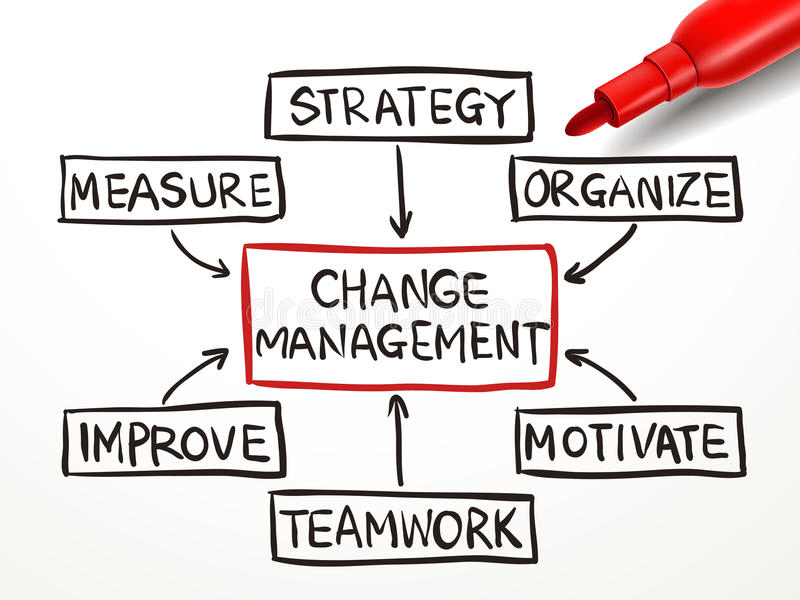
Teachers are well-suited for a career in organizational change management due to their experience in leading and facilitating change in the classroom and their ability to communicate effectively with a wide range of stakeholders. Teachers understand the importance of creating a supportive environment for change, and they have experience in managing resistance to change and facilitating stakeholder buy-in. They are skilled in developing and implementing plans, and they have a deep understanding of the need for clear and effective communication throughout the change process.
Here are some tips for teachers to transition to a career in organizational change management:
- Gain experience in change management methodologies: Familiarize yourself with change management methodologies, such as Lewin’s Change Model and Kotter’s 8-Step Change Model, by participating in workshops, reading books and articles, and getting hands-on experience by leading change initiatives in your classroom or school.
- Earn a change management certification: Consider obtaining a certification, such as Certified Change Management Professional (CCMP), to demonstrate your knowledge and expertise in change management to potential employers.
- Network with change management professionals: Connect with other change management professionals by attending conferences, participating in online forums and discussion groups, and joining local chapter meetings of professional organizations such as the Association of Change Management Professionals (ACMP).
- Build your technical skills: Enhance your technical skills by taking courses in areas such as communication, leadership, and conflict resolution. This will help you to understand the tools and techniques used in change management and demonstrate your commitment to the field.
- Get involved in school-wide or district-wide change initiatives: Seek out opportunities to lead or participate in school-wide or district-wide change initiatives. This will give you hands-on experience and demonstrate your ability to manage complex change projects.
- Learn and practice design thinking. Design thinking has become an increasingly popular approach in business because it provides a systematic and human-centered approach to solving complex problems and creating innovative solutions. It can be easily integrated into the classroom and community brainstorming if you are involved in Ed reform.
Corporate Training

Teachers are well-suited for a career in corporate training due to their experience in developing and delivering instructional materials and facilitating learning for students of all ages. Teachers are skilled at adapting their teaching styles to meet the diverse needs and learning styles of their students and they understand the importance of creating engaging and effective learning experiences. They have experience in creating instructional materials, such as lesson plans, presentations, and handouts, and they are skilled at delivering presentations and facilitating group discussions.
Here are some tips for teachers to transition to a career in corporate training:
- Gain experience in adult learning: Consider taking courses or workshops in adult learning, instructional design, and training delivery to learn about the specific needs and learning styles of adult learners. Test it out in PLC.
- Build a portfolio of training materials: Create a portfolio of training materials, such as lesson plans, presentations, and handouts, that demonstrate your ability to design and deliver engaging and effective training sessions.
- Get involved in employee training and development: Seek out opportunities to lead employee training and development initiatives within your current role or by volunteering in your community.
- Network with other trainers: Connect with other trainers by attending industry conferences, joining professional organizations, and participating in online discussion groups.
- Stay current on training trends and techniques: Stay up-to-date on the latest trends and techniques in corporate training by reading industry publications, attending workshops and conferences, and taking online courses.
- Seek out corporate training job opportunities: Look for corporate training job opportunities in a variety of industries, such as finance, healthcare, technology, and education over the summer. Temp instead of bartending. Consider reaching out to your network and applying for internships or entry-level positions to gain additional experience.
- Build a strong online presence: Create a professional online presence by creating a LinkedIn profile, building a personal website, and participating in online discussions and forums.
By following these steps and demonstrating a strong passion for growth, a teacher can successfully transition into a career in any of these dynamic and growing fields.
Like this post for more of this content!
 Classroom to Corporate