
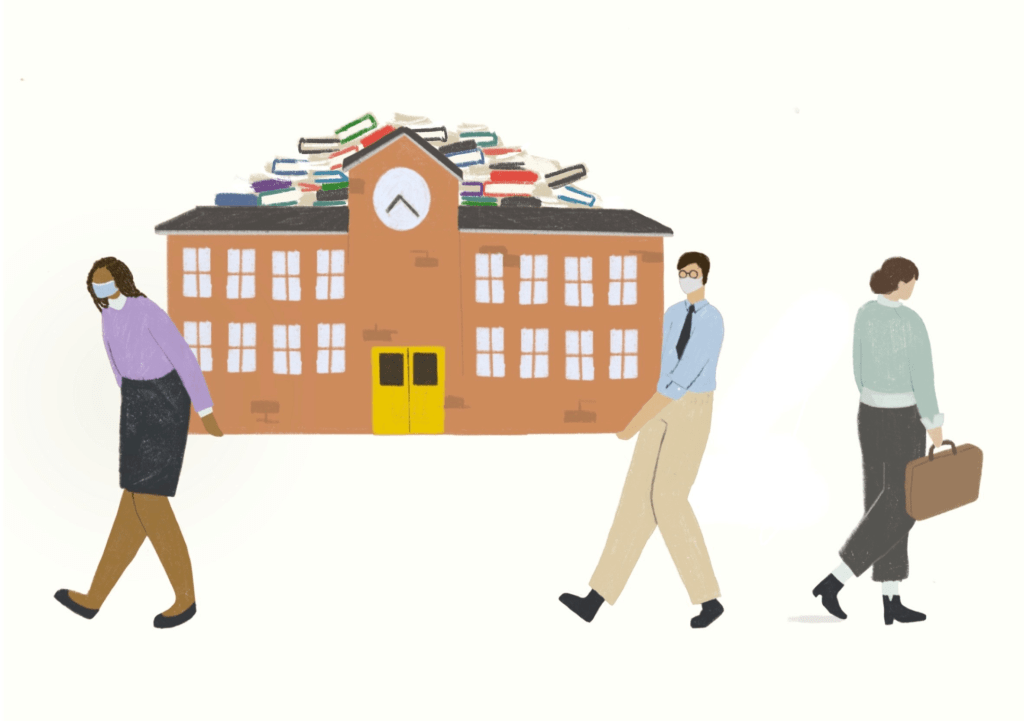
The high rate of teacher turnover is a complex issue with many contributing factors, including low salaries, lack of support, and challenging working conditions.
First and foremost, low salaries are a major reason why teachers are leaving the classroom. Despite the critical importance of education, teachers are often paid significantly less than other professionals with comparable levels of education and experience. According to the National Education Association, the average teacher salary in the United States was $60,477 in 2020-2021, which is far below the national average for all occupations. In the south, try getting more than 45,000. This low pay makes it difficult for teachers to make ends meet, particularly when they have families to support, student loan debts to pay off, and other financial obligations.
In addition to low salaries, many teachers feel unsupported by their schools and districts. This lack of support can manifest in a number of ways, including inadequate resources, poor working conditions, and a lack of autonomy in the classroom. Many teachers do not have access to the edtech they need to effectively educate their students and are required to teach in overcrowded classrooms with insufficient resources. Yes, every child may have a Chromebook, but have the schools purchased online learning platforms, educational software, virtual reality tools, mobile devices, or educational games. Classroom observations are often a ruse to put teachers on improvement plans for not writing the date on the board. Not to mention the indignity of not being able to pee. Working conditions can be stressful and demoralizing for teachers, leading to burnout and, eventually, turnover.
Another reason why teachers are leaving the classroom is the increasing demands placed on them. Teachers are expected to educate their students and be involved in a wide range of other activities, such as preparing for and administering standardized tests, participating in after-school programs, and serving on committees. These additional responsibilities can be time-consuming and demanding, leaving teachers feeling overworked and stressed. Furthermore, the pressure to perform well on standardized tests can create an environment in which teaching to the test is prioritized over meaningful learning and student engagement.
Finally, many teachers are leaving the profession due to a need for more paid career progression opportunities. It makes no sense that you are only just a teacher and that the next “logical” step is principal. A principal is the administrator of a school and is responsible for overseeing all aspects of the school’s operations. This includes managing staff, creating and implementing policies, ensuring that the school is in compliance with educational laws and regulations, and serving as the main point of contact for parents, teachers, and other stakeholders. On the other hand, teachers are responsible for delivering instruction to students and facilitating their learning. They plan and teach lessons, assess student progress, and provide support and guidance to help students succeed. They also collaborate with other teachers, support staff, and administrators to provide a positive and effective learning environment for all students. While both principals and teachers play important roles in the education of students, they have distinct and separate responsibilities, making them different jobs. And the gatekeeping in becoming a principal is incredibly limiting. This can be particularly challenging for low-income school teachers with fewer connections and advocates. Teachers find them self getting stuck with nowhere else to grow.
Pizza parties are not going to solve teacher turnover. To address this issue, we must provide teachers with the resources, opportunities, and compensation they need to succeed in the classroom. This includes providing competitive salaries, investing in career progression restructuring, and creating working conditions that are supportive. By taking these steps, we can ensure that our schools have the high-quality teachers they need to provide students with the education they deserve.
 Classroom to Corporate