

1. Effective Communication: Teachers are skilled communicators and can articulate their thoughts and ideas. Effective communication is a crucial skill in both teaching and business. This skill is essential in the corporate world, where effective communication is crucial for building relationships, negotiating deals, and presenting ideas. Here are some ways that effective communication is similar in both fields:
- Clarity and Concision: In teaching and business, it’s important to communicate ideas and information clearly and concisely. This helps to ensure that the message is understood and that the audience remains engaged.
- Active Listening: Both teachers and business professionals must be good listeners to understand their audience’s needs and concerns. Active listening helps build trust and credibility, which is essential for effective communication.
- Verbal and Non-Verbal Cues: In teaching and business, it’s important to pay attention to verbal and non-verbal cues, such as tone of voice, body language, and facial expressions. These cues can help convey meaning and emotion, and they can greatly impact communication effectiveness.
- Social Intelligence: Effective communication requires social intelligence, as different situations may require different approaches. In teaching and business, the ability to adjust communication style based on the situation and audience is essential for effective communication.
- Feedback: Both teachers and business professionals must be able to provide constructive feedback to improve performance and achieve desired outcomes. Effective communication is crucial for giving and receiving helpful, respectful, and supportive feedback.

2. Time Management: Teachers must manage their time effectively to meet deadlines and ensure that their students receive the best education possible. This skill is also valuable in the corporate world, where time management can be the difference between success and failure. Time management is a crucial skill in both teaching and business. Here are some ways that time management is similar in both fields:
- Prioritization: In both teaching and business, it’s important to prioritize tasks and responsibilities to make the best use of time. This involves identifying what is most important and allocating time accordingly.
- Planning and Organization: Both teachers and business professionals must plan and organize their time effectively in order to meet deadlines and achieve goals. This involves creating schedules, setting priorities, and using tools such as to-do lists and calendars.
- Multitasking: In teaching and business, it’s often necessary to multitask to get everything done. Effective time management requires the ability to switch between tasks and prioritize effectively.
- Delegation: Both teachers and business professionals must be able to delegate tasks effectively to maximize the use of time and resources. This involves identifying tasks that can be done by others, assigning those tasks, and monitoring progress.
- Self-Discipline: Effective time management requires self-discipline, as individuals must resist distractions and focus on their priorities. Both teachers and business professionals must be able to work independently and stay on track to meet deadlines and achieve goals.
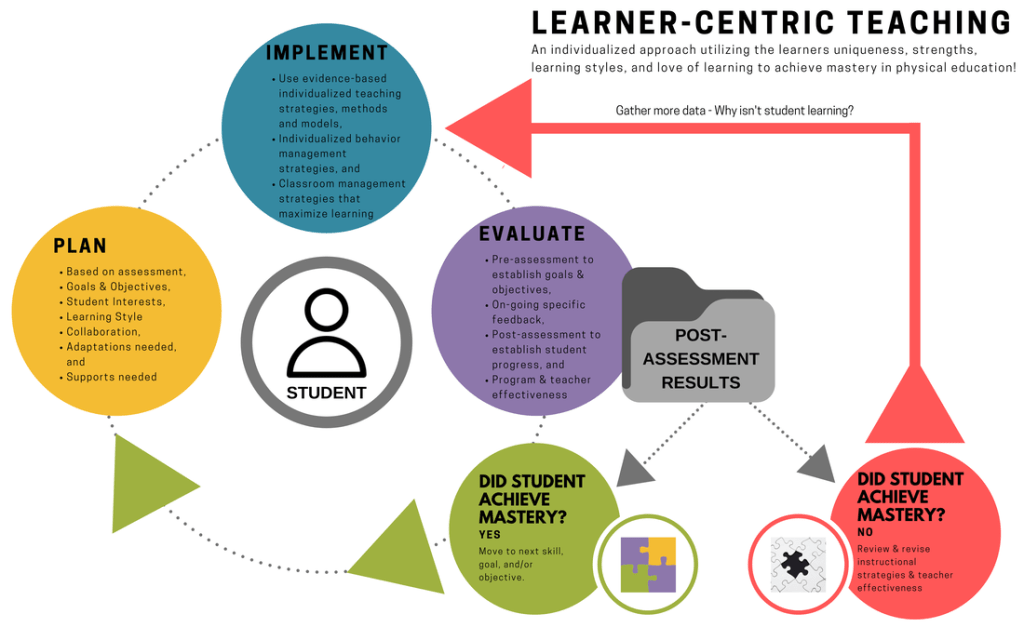
3. User experience (UX) design in both teaching and business has similar principles and goals, even though the contexts and audiences are different.
Both fields aim to create a positive and efficient experience for the user. In teaching, the user is the student, and the goal is to make the learning process as effective and enjoyable as possible. In business, the user is the customer, and the goal is to provide a seamless and satisfying experience with the offered product or service.
In both cases, UX designers consider usability, accessibility, and user needs and preferences. They use user research, prototyping, and testing techniques to validate their designs and make improvements. The design process is iterative, with designers making adjustments based on user feedback.
Additionally, both teaching and business environments benefit from user-centered design, which puts the user at the center of the design process. This approach results in products and services tailored to meet the user’s needs, leading to higher satisfaction and engagement.
4. Technology Integration: Teachers are experienced in using technology in the classroom, such as learning management systems, digital resources, and educational apps. This experience can be applied to a business career, where technology is increasingly used in various roles, such as data analysis, marketing, and project management. Technology integration in teaching and business aims to enhance and improve processes and outcomes.
In teaching, technology is used to support learning and instruction. For example, technology can provide interactive and engaging content, facilitate student collaboration, and offer personalized learning experiences. Teachers use technology to enhance their lessons and make them more effective, accessible, and appealing to students.
In business, technology is used to streamline processes, increase efficiency, and improve overall performance. For example, companies may use technology to automate repetitive tasks, improve communication and collaboration among employees, and provide data-driven insights to inform decision-making. Technology is also used to enhance the customer experience, such as through online shopping and mobile applications.
In both teaching and business, technology integration is a continuous process of evaluation and improvement. As technology evolves and new tools and applications become available, organizations must assess their effectiveness and make updates to ensure they are using the most effective and efficient technology available. In both fields, there is a recognition that technology alone is not enough to achieve desired outcomes. Instead, technology must be used in combination with other strategies and requires change management.
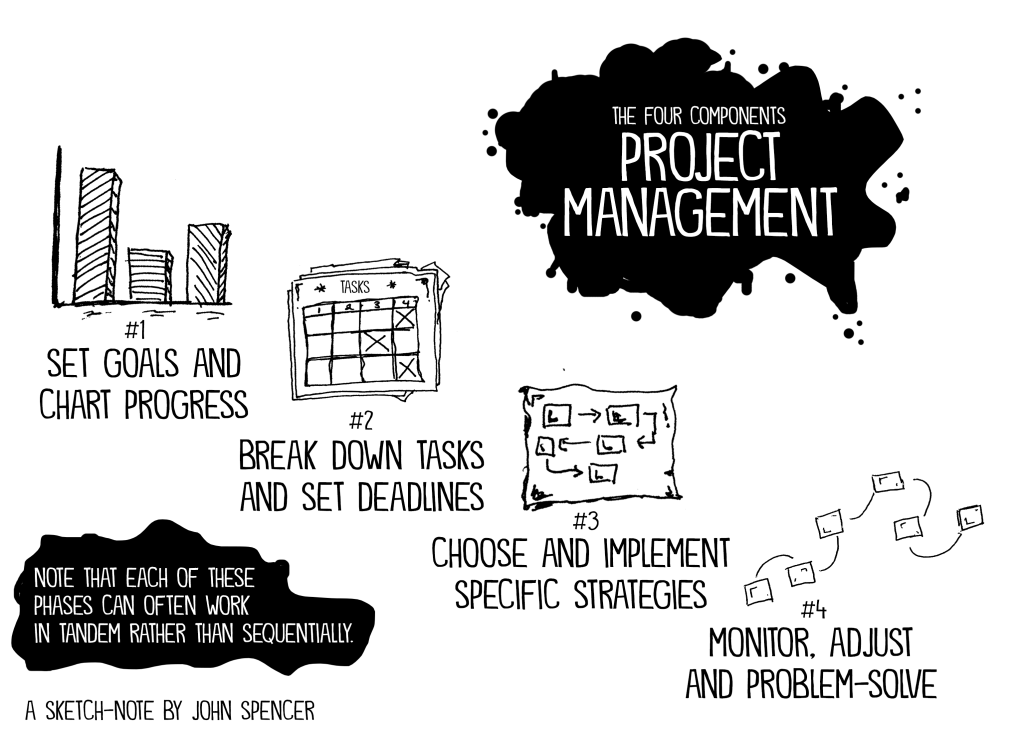
5. Project Management: Teachers can be project managers in the sense that they often manage complex projects and initiatives in their classrooms and schools. This requires strong organizational and project management skills and the ability to think critically and make informed decisions.
For example, teachers must design and deliver lessons and curricula, assess student learning, and provide feedback to students and families. This requires a strong understanding of learning goals and objectives and the ability to create a learning environment that supports student growth and development. Teachers must collaborate with other teachers and school staff, manage schedules and resources, and navigate a complex educational system.
These skills and responsibilities are similar to those of a project manager in a business setting. A project manager is responsible for defining project goals, developing and executing a project plan, and ensuring that the project is delivered on time, within budget, and to the desired quality standards. Project managers must also manage resources, including people, technology, and finances. They must effectively communicate with stakeholders, including team members, customers, and senior management.
While the context may differ, teachers and project managers share many similarities regarding their responsibilities and skills. Both must be able to plan and execute complex projects, manage resources, and communicate effectively with stakeholders. The skills and experience gained as a teacher can be valuable in a career as a project manager in a business setting.
 Classroom to Corporate